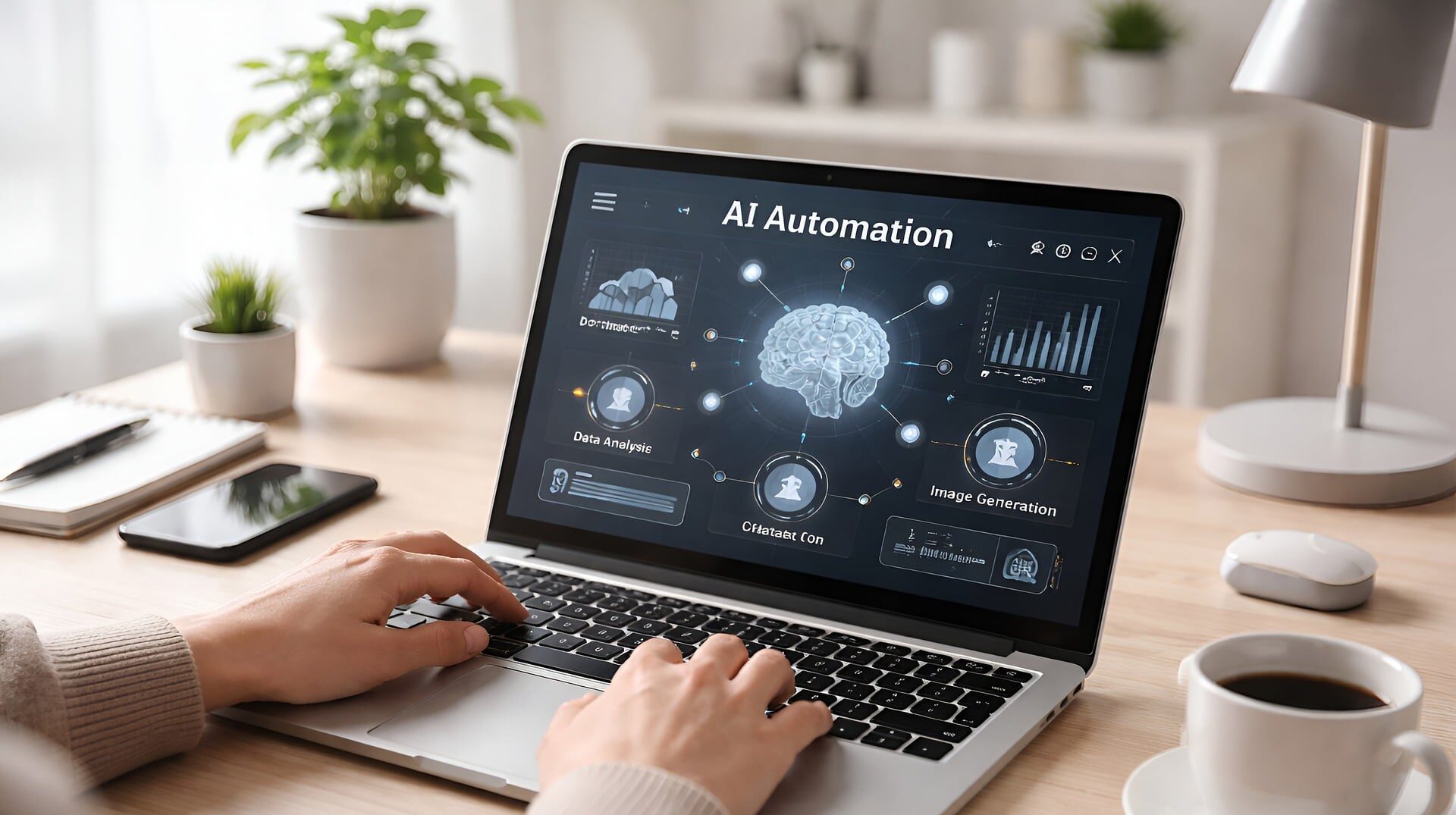
Artificial intelligence (AI) is transforming industries at an unprecedented pace. From AI copilots and customer service chatbots to recruitment platforms, healthcare applications, and financial analytics tools, Singapore companies are increasingly building products where AI is no longer just a feature, but it is the core service.
Yet many AI founders assume that having Professional Indemnity (PI) Insurance automatically means they are protected if something goes wrong.
The reality is more complicated. As AI technology evolves faster than insurance policy wordings, many businesses may be unknowingly exposed to coverage gaps that only become apparent when a claim arises.
Traditional Liability Policies Were Not Designed for AI
Most liability insurance policies available today were originally developed for:
- Software developers
- IT consultants
- Professional service firms
- Technology providers
They were not drafted with large language models, generative AI, autonomous decision making systems, or machine learning applications in mind.
As a result, insurers and policyholders may have very different interpretations of how coverage applies when an AI-related claim occurs.
One of the key distinctions lies in the type of liability coverage provided by the policy. Some Professional Indemnity policies only respond to claims arising from professional negligence, while others provide broader protection for civil liability.
Understanding the difference is critical for AI businesses.
Professional Negligence vs Civil Liability
Professional Negligence
Professional negligence occurs when a company or professional fails to exercise the reasonable skill, care, and diligence expected of a competent practitioner, resulting in financial loss to a third party.
Civil Liability
Civil liability refers to a company’s legal responsibility to compensate another party for loss, damage, or injury that it has allegedly caused.
Civil liability can arise from:
- Negligence
- Errors and omissions
- Breach of duty
- Misrepresentation
- Defamation
- Privacy breaches
- Intellectual property disputes
- Failure to deliver services as promised
A civil liability policy may respond whenever the insured has a legal obligation to compensate a third party, regardless of whether negligence can be clearly established. By contrast, a negligence-based policy may require evidence that the insured failed to exercise reasonable care before coverage is triggered.
For AI businesses, this distinction can have significant implications.
An AI Claim Scenario
Consider an AI-powered financial planning platform that provides investment recommendations to users. A customer follows the platform’s advice, suffers substantial financial losses, and subsequently sues the company.
When reviewing the claim, the insurer may ask several questions:
- Was the recommendation considered professional advice?
- Was it simply software-generated output?
- Was there meaningful human oversight?
- Did the customer rely solely on the AI-generated recommendation?
- Was the loss caused by a human error, a software defect, or inadequate supervision of the AI system?
The answers to these questions will influence both the assessment of liability and whether the policy responds at all. Unlike traditional professional services claims, AI-related disputes often blur the lines between human decision-making, software performance, and professional responsibility. Determining where negligence occurred, and whether negligence occurred at all, is rarely straightforward.
Why Accurate Disclosure Matters
This complexity highlights the importance of being completely transparent when applying for insurance.
Businesses should clearly disclose:
- How AI is used within their products or services
- The level of human oversight involved
- Whether customers rely on AI-generated outputs
- The nature of decisions being made by the system
Failure to properly disclose the role of AI in a business can lead to disputes at claim time and potentially affect coverage.
Why AI Companies Need Specialist Insurance Advice
Insurance policy wordings are still catching up with rapidly evolving AI technologies. As a result, ambiguity remains around how certain AI-related claims will be interpreted and covered.
This is where many founders encounter challenges. Two policies may appear similar on the surface, yet contain vastly different definitions, exclusions, and coverage triggers that could determine whether a future claim is paid or denied.
At Anapi, we work closely with AI startups, SaaS companies, and technology businesses to help them understand these nuances before a claim occurs.
Rather than simply arranging a policy, we help founders:
- Identify potential liability exposures arising from AI-driven products and services
- Review policy wordings for coverage gaps and exclusions
- Assess the interaction between Professional Indemnity, Cyber Insurance, and Product Liability policies
- Ensure business activities are accurately disclosed to insurers
- Structure insurance programmes that evolve alongside the company’s technology and growth
As AI becomes more integrated into business operations, insurance should not be treated as a compliance exercise. It should form part of a company’s overall risk management strategy.
The Real Question Isn’t Whether You’re Liable
When an AI system causes a customer loss, the key question is not simply whether the company is liable. The more important question is whether the insurer agrees that the liability falls within the scope of coverage. For AI companies, that distinction can mean the difference between a covered claim and a costly uninsured exposure.
As AI adoption accelerates across Singapore and beyond, founders should take the time to review their insurance arrangements and ensure their policies are keeping pace with the technology they are building.
The best time to identify a coverage gap is before a claim happens, not after.